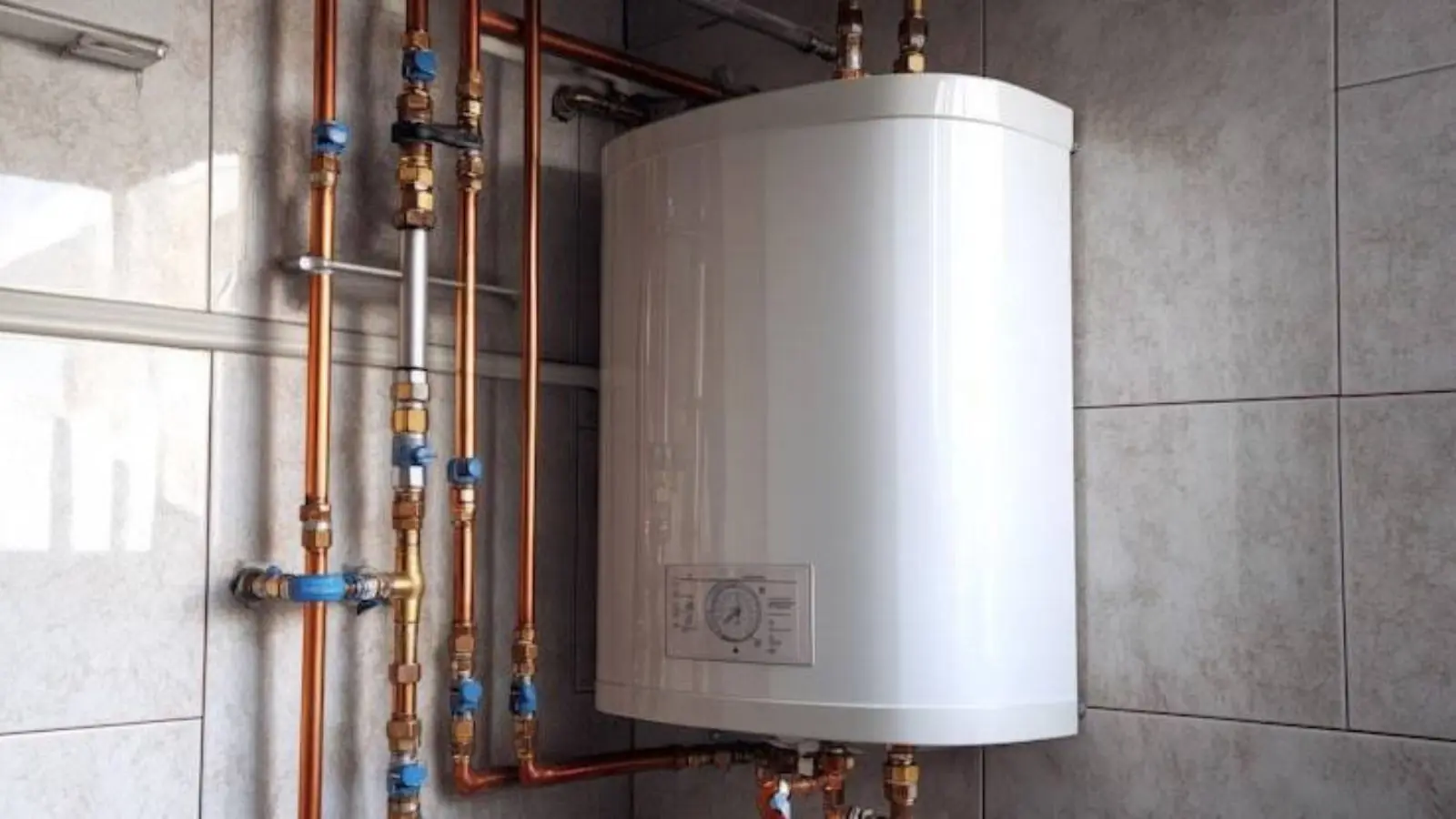
Water heater leak emergency: do this first
Water heater leak cleanup is the removal of water and the drying of floors, walls and stored items after a tank, fitting or relief valve leaks. If water is on the floor, call the 24/7 emergency line at (562) 271-5850 and keep reading. Same-day dispatch is offered when a crew is free, with no arrival time guaranteed in advance.
Close the cold water shutoff valve on top of the heater, then switch the unit off. For an electric heater, turn off its breaker only if the panel is dry. For a gas heater, turn the gas control to off, and if you smell gas, leave the house and call the gas utility or 911 first.
Why water heaters fail and where the water goes
A tank is a steel vessel under constant pressure, holding hot water for years. The city's Water Utility Authority supplies Santa Fe Springs with groundwater and imported surface water, and that supply is what keeps the tank full and pressurized. When the tank corrodes at the bottom or a fitting loosens, the water has nowhere to go but out.
Heaters often sit in garages, closets and utility rooms, which sets where the damage lands. In a garage, water spreads over the slab and under the wall into the adjoining room. In an interior closet, it soaks the baseboard and the carpet next to it. A heater in an attic or on a platform can send water through the ceiling below.
Water still spreading? The dispatch line is open 24 hours a day.
☎ Call (562) 271-5850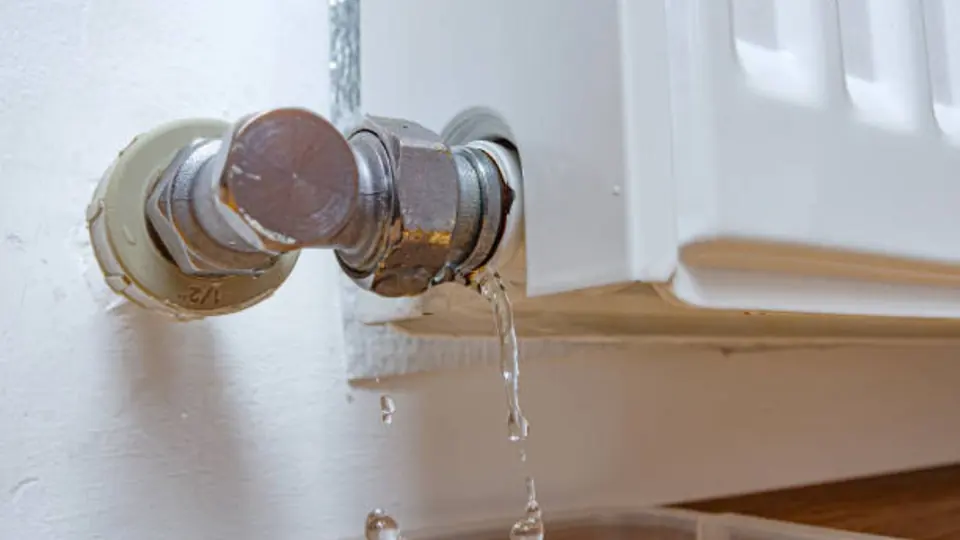
Signs your water heater is leaking
Tanks usually warn before they fail, and noticing early keeps a small leak from becoming a flooded room.
- ✓Pooling at the base. Even a damp ring around the bottom can mean the tank has a hole.
- ✓Rust streaks on the tank or pipes. Corrosion at fittings usually precedes a drip.
- ✓Dripping from the relief valve pipe. A steady drip may mean excess pressure or a worn valve.
- ✓Warped baseboard or flooring near the unit. Slow leaks soak materials for weeks before water becomes visible.
- ✓Rusty or discolored hot water. The tank interior may be corroding.
Water heater safety before cleanup starts
Hot water can scald, so do not touch pooled water near a tank that was running when it leaked. Wear shoes with grip, because wet concrete is slick. Keep children and pets out of the room until the floor is dry.
Water heaters mix water with electricity or gas. If the water is near the breaker panel, an outlet or a gas appliance, call the utility or 911 for the electrical or gas risk before you call the restoration line. Cut power only if you can reach the panel on dry floor. Never stand in water to flip a breaker.
How we clean up and dry after a heater leak
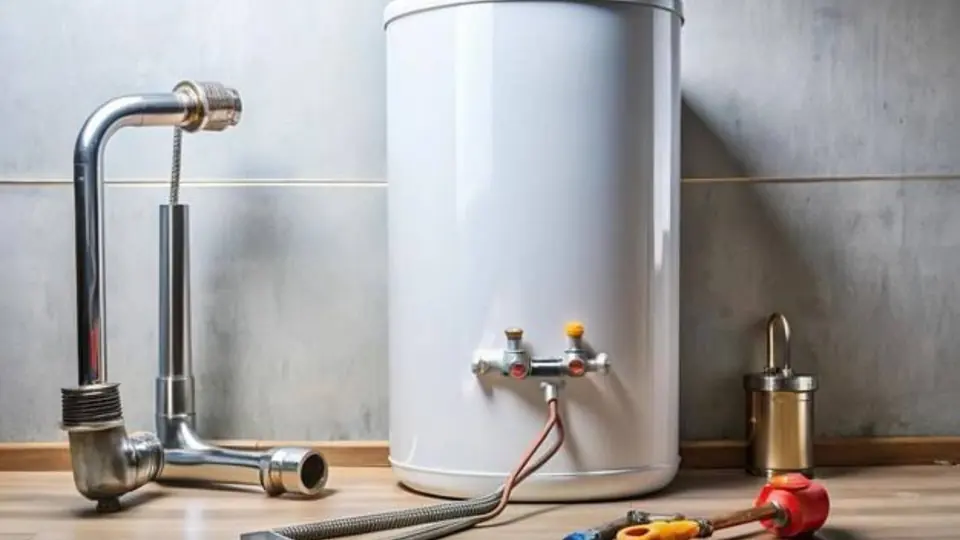
We separate the tasks cleanly. A licensed plumber replaces the heater, and we remove the water and dry the structure. Extraction units and wet vacuums take standing water off the floor, and we pull wet baseboard and soaked pad. Moisture meters and a thermal imaging camera show how far the water traveled into adjoining walls.
Air movers and LGR dehumidifiers then dry floors and wall bases until readings match dry reference materials, the goal set out by ANSI/IICRC S500, the published industry standard. Clean water from a heater is usually category 1, but water that has sat for days or touched dirty materials is treated differently. Ask us about water damage cleanup if the leak went unnoticed for a while.
Garage, closet or attic: what changes
| Heater location | Typical damage | Our approach |
|---|---|---|
| Garage on a slab | Water spreads to the house wall and stored boxes | Extract, dry wall base, sort salvageable items |
| Interior closet | Wet carpet, baseboard and drywall bottom | Lift carpet and pad, dry the wall cavity |
| Attic or upper floor | Ceiling below soaked, insulation wet | Remove wet ceiling material, dry framing |
| Slow weep found late | Rot or staining under the unit | Map moisture, dry and check for mold risk |
Scope is set on site after a moisture assessment.
Insurance and a leaking water heater
A tank that bursts suddenly is the kind of sudden and accidental event that is often covered, while a slow leak that went unaddressed for months often is not. The cost of the heater itself is usually separate from the water damage it causes. Check your policy or ask your insurer which parts apply.
We keep photos, readings and notes on the work so you have a clear record for your insurer. We cannot promise approval or a payout.
What drives water heater cleanup cost
- ✓How long the leak ran and how far the water spread
- ✓The flooring and wall materials that got wet
- ✓Whether the loss reached a finished room, not just the garage slab
- ✓The days of drying equipment needed
- ✓Removal and rebuild of wet baseboard, drywall or flooring
Want your real number? Call and describe the loss, and the scope and price are explained before work starts.
Mistakes to avoid with a leaking heater
- 1Leaving the unit powered while water is pooling beneath it
- 2Mopping the surface and ignoring the wall base soaking behind it
- 3Stacking boxes back against a wall that has not been dried
- 4Replacing the heater without asking the plumber about earthquake bracing
- 5Waiting weeks to address a slow weep at the base
Local, licensed and insured
You get the scope and price explained up front, from a licensed and insured company. The city's Building and Safety Division FAQ says plumbing permits cover new or replaced water heaters, so your plumber will usually handle that. The city's draft Safety Element notes that loose soils can cause stronger shaking, so ask your plumber about how the new tank will be braced.
We serve Santa Fe Springs and nearby towns, including La Mirada and Whittier. If the leak came from supply lines instead, see burst pipe water damage, and for washers and dishwashers, our appliance leak water damage page.
Frequently asked questions
Yes. The emergency line is answered 24 hours a day, including nights, weekends and holidays. Crews are dispatched the same day when they are available, and no arrival time is promised. Shut off the heater's water and power while you wait.
The line is answered 24/7 and crews are dispatched same day when available. We do not promise an arrival time. Call and describe what the water has reached, and we will explain what to do first.
No. A licensed plumber replaces the heater. We handle the water cleanup and drying. The city's Building and Safety Division says plumbing permits cover new or replaced water heaters, so the plumber usually pulls that permit.
It usually starts as clean supply water, known as category 1 under ANSI/IICRC S500. It can degrade if it sits for a day or two or touches dirty materials. Say how long it has been leaking when you call.
Often yes. Water spreads under garage walls and wicks into the bottom of drywall. A moisture meter can confirm whether the adjoining room is wet before you decide.
The EPA advises drying water-damaged areas and items within 24 to 48 hours to prevent mold growth. Carpet and pad that stay wet beyond that window often have to be replaced.