Slab leak emergency: first steps when water is coming up
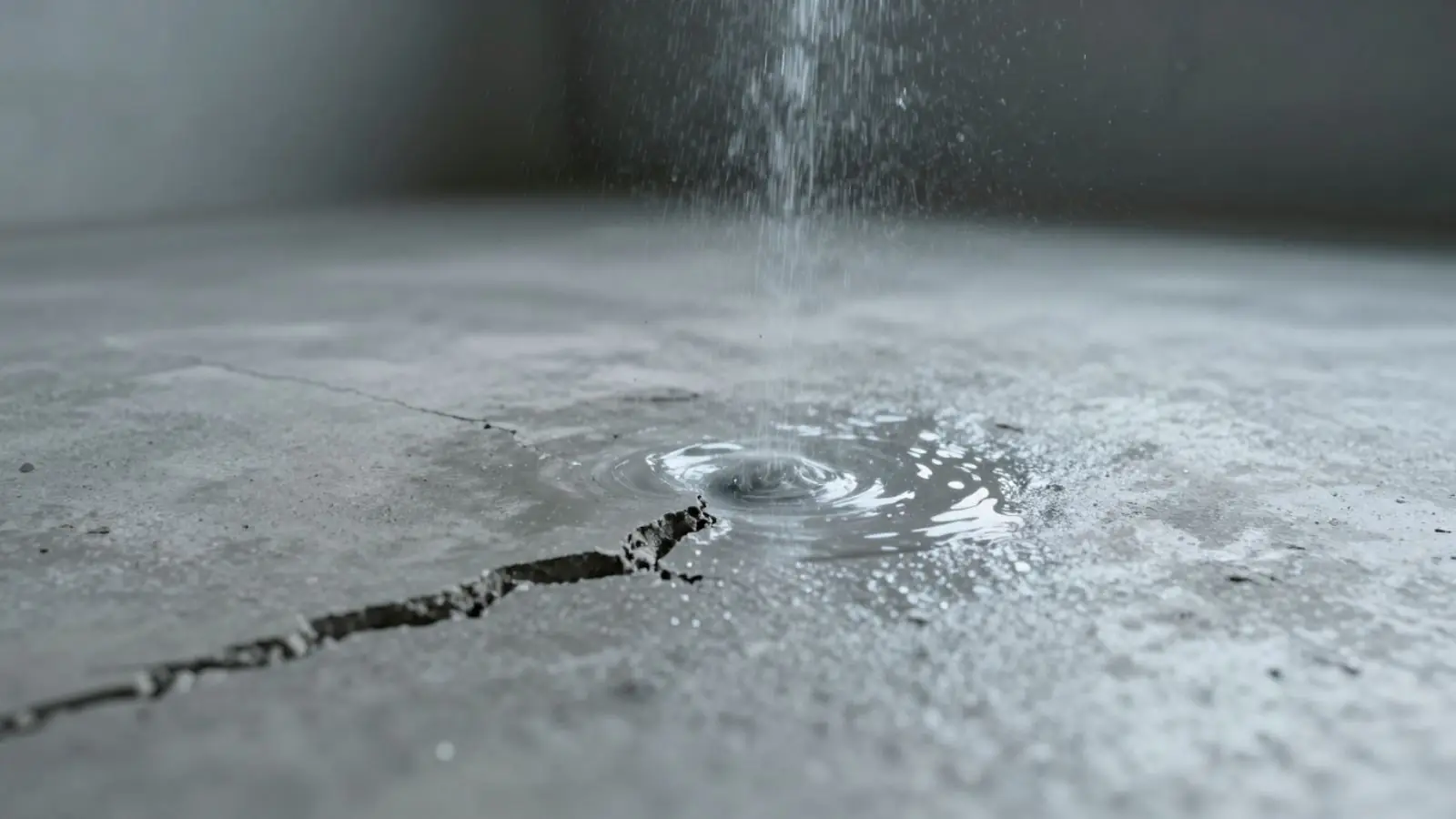
Slab leak water damage happens when a pressurized water line under a concrete foundation cracks or corrodes and pushes water up into the floor, walls and cabinets above it. If you see wet flooring, hear water running with every fixture off, or feel a warm patch underfoot, call the 24/7 emergency line at (562) 271-5850. We send a crew the same day when one is open and never quote an arrival time up front.
Turn off the main water valve now, usually at the front of the house or beside the meter. Lift rugs, shoes and boxes off the floor. Keep everyone out of any room where water is near outlets or the electrical panel.
Why a slab leak is not a high water table problem
Many people assume water under a slab must be groundwater. The city's draft General Plan Safety Element puts the water table more than 50 feet below the surface citywide, so groundwater pushing up through a Santa Fe Springs floor is not the usual cause. A plumber will almost always find a supply line, and the fix starts with the pipe, not with drainage around the house.
The same draft describes sand, loam and clay soils. Soil that holds moisture can speed corrosion on older lines, and a house on a slab usually has its pipes running through or under the concrete. That is why a pinhole can go unseen for a long time.
Water still spreading? The dispatch line is open 24 hours a day.
☎ Call (562) 271-5850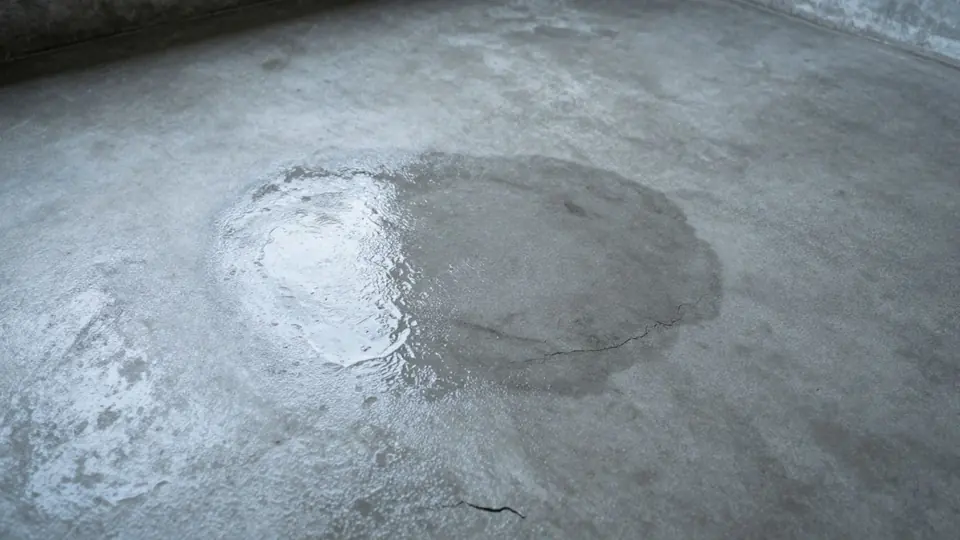
Signs of a leak under the slab
Slab leaks announce themselves in small ways first. These are the signs we hear about most often.
- ✓A warm spot on the floor. A hot water line leaking under tile or concrete can heat the surface above it.
- ✓The sound of running water. Hissing or trickling when every faucet and appliance is off points to a pressurized line.
- ✓A water meter that keeps moving. Shut off every fixture and watch the meter dial. Movement means water is going somewhere.
- ✓Damp carpet or lifting flooring. Moisture along a baseboard or a wall base, or laminate that cups, often marks the leak path.
- ✓A musty smell and a high water bill. Both can show up weeks before any floor looks wet.
A plumber confirms a slab leak with a pressure test or listening equipment, and that confirmation also helps when you talk to your insurer.
Electrical and floor safety before anyone steps in
Water under a slab can reach outlets, floor boxes and the base of the electrical panel without much warning. If water is pooling near any of these, stay out of the room and call the utility or 911 before you call the restoration line. Cut power to wet rooms only if you can reach the panel without stepping through water.
Wet tile and polished concrete are slick. Do not break into the slab yourself, because cracking concrete can sever other lines or conduit and the plumber needs the original crack location intact.
Who fixes what: plumber first, drying right behind
Slab leak detection and slab repair are plumbing work. A licensed plumber locates the leak, then repairs the line, reroutes it through walls or the attic, or lines it, depending on how the pipe failed. We do not do that part. Our job begins with the water that has already escaped, which can be a lot even when the leak is the size of a pinhole.
Tell us what flooring you have when you call. Hardwood, laminate and tile over a slab dry very differently, and a conversation before demolition prevents surprises.
How we dry a floor that sits on concrete
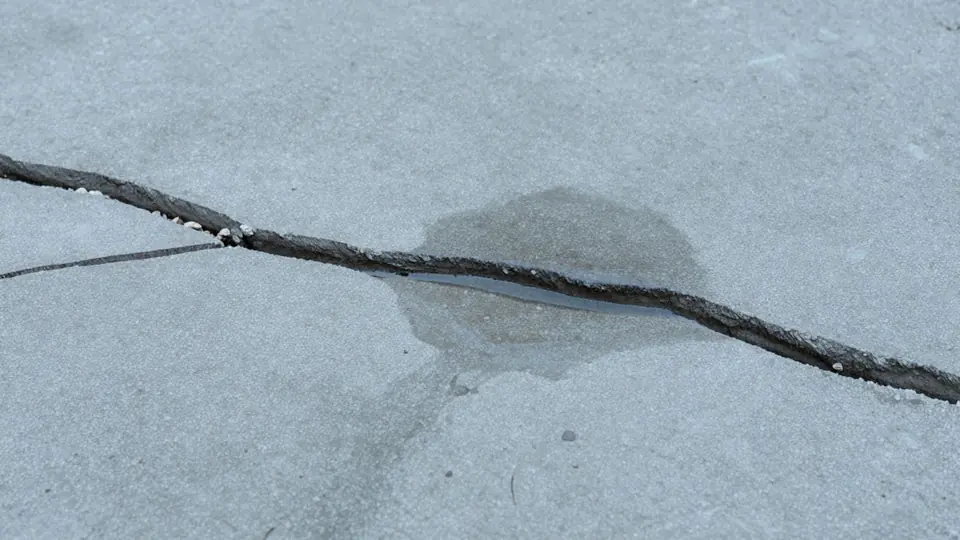
Moisture meters and thermal imaging cameras map where the water went, including under baseboards and into the lower drywall. Wet baseboard and soaked pad come out first, and extraction units or wet vacuums remove surface water. Concrete releases moisture slowly, so the drying plan has to account for the slab itself.
Air movers push dry air across floors and wall bases while LGR dehumidifiers pull moisture out of the air. Wood and laminate may need drying mats or panels that draw water from the planks. Readings are repeated until wet materials match dry reference readings, the goal set out in the published ANSI/IICRC S500 standard that any homeowner can ask a company about. For the full drying process, see structural drying and dehumidification.
What happens by floor type
The flooring on top of the slab decides how much of it survives.
| Flooring over the slab | What usually happens | What we do |
|---|---|---|
| Ceramic or porcelain tile | Tile survives, but grout and the thinset below can hold water | Dry the slab surface and wall bases, then recheck with a meter |
| Floating laminate or vinyl plank | Edges swell and the cushion layer traps water | Lift planks if needed, dry underneath, replace swollen pieces |
| Glued or nailed hardwood | Cupping and gaps appear as wood absorbs water from below | Use drying mats where possible, remove boards that cannot recover |
Water that has sat for days is treated more cautiously than a leak caught the same morning.
Slab leaks, mold and the clock
The EPA states that the key to mold control is moisture control, and that wet areas should be dried within 24 to 48 hours. A slab leak complicates that clock because the source runs out of sight, sometimes for weeks. If dark growth or a musty smell remains after drying, mold work is scoped separately under mold remediation once the water source is fixed.
Does insurance cover a slab leak?
Coverage depends on the policy and on how the leak is described. Sudden and accidental water damage is often covered, while gradual leaks and neglect often are not. Some policies treat the cost of reaching and repairing the pipe differently from the damage the water caused, so ask your insurer how yours reads.
Keep the plumber's report, photos of wet areas and any water bills that show a jump. Flood damage is a different category, and the California Department of Insurance says standard homeowners insurance does not cover it. A slab leak is a plumbing event, not a flood, but check your policy before work starts.
What affects slab leak cleanup cost
Every slab leak differs, so any figure given without seeing the loss is a guess. These factors set the scope.
- ✓How long the leak ran before it was found
- ✓Square footage of wet flooring and wall base
- ✓Flooring type and whether it can be dried or must be replaced
- ✓How many days of air movers and dehumidifiers the slab needs
- ✓Rebuild scope after drying, such as baseboard, paint or flooring
Want your real number? Call and describe the loss, and the scope and price are explained before work starts.
Mistakes that make a slab leak worse
Most extra damage comes from waiting or from guessing.
- ✓Leaving the main valve open while waiting for a plumber
- ✓Covering wet flooring with a rug or new floor before it is dry
- ✓Drilling or chipping the slab before the leak is located
Local, licensed and insured
We are licensed and insured, and scope and price are explained before work starts. The city's Building and Safety Division states that appropriate permits are required before any project, including repairs and alterations. Ask the division whether your plumbing fix or floor replacement needs one, since the plumber's work is separate from ours.
We serve Santa Fe Springs and nearby towns including Whittier, Norwalk, Downey, La Mirada and Pico Rivera. If a burst line is feeding the problem instead, read about burst pipe water damage, and for floors that need rebuilding afterward see water damage repair.
Frequently asked questions
Yes. The emergency line is answered 24/7, including nights and weekends. Crews are dispatched the same day when available, and no arrival time is promised, so shut off the main valve and lift valuables while you wait.
The line is answered around the clock, and crews are sent the same day when they are available. We handle the water damage, meaning extraction, drying and cleanup. A licensed plumber finds and repairs the leaking line itself.
No. Leak detection and slab repair are plumbing work. A plumber uses pressure tests and listening equipment to pinpoint the pipe. We map the moisture the leak has already spread, using meters and thermal imaging cameras.
It depends on how long the water ran and what the flooring is. Tile may dry in a few days, while hardwood and a wet slab can take longer. We recheck readings until the materials match dry reference levels.