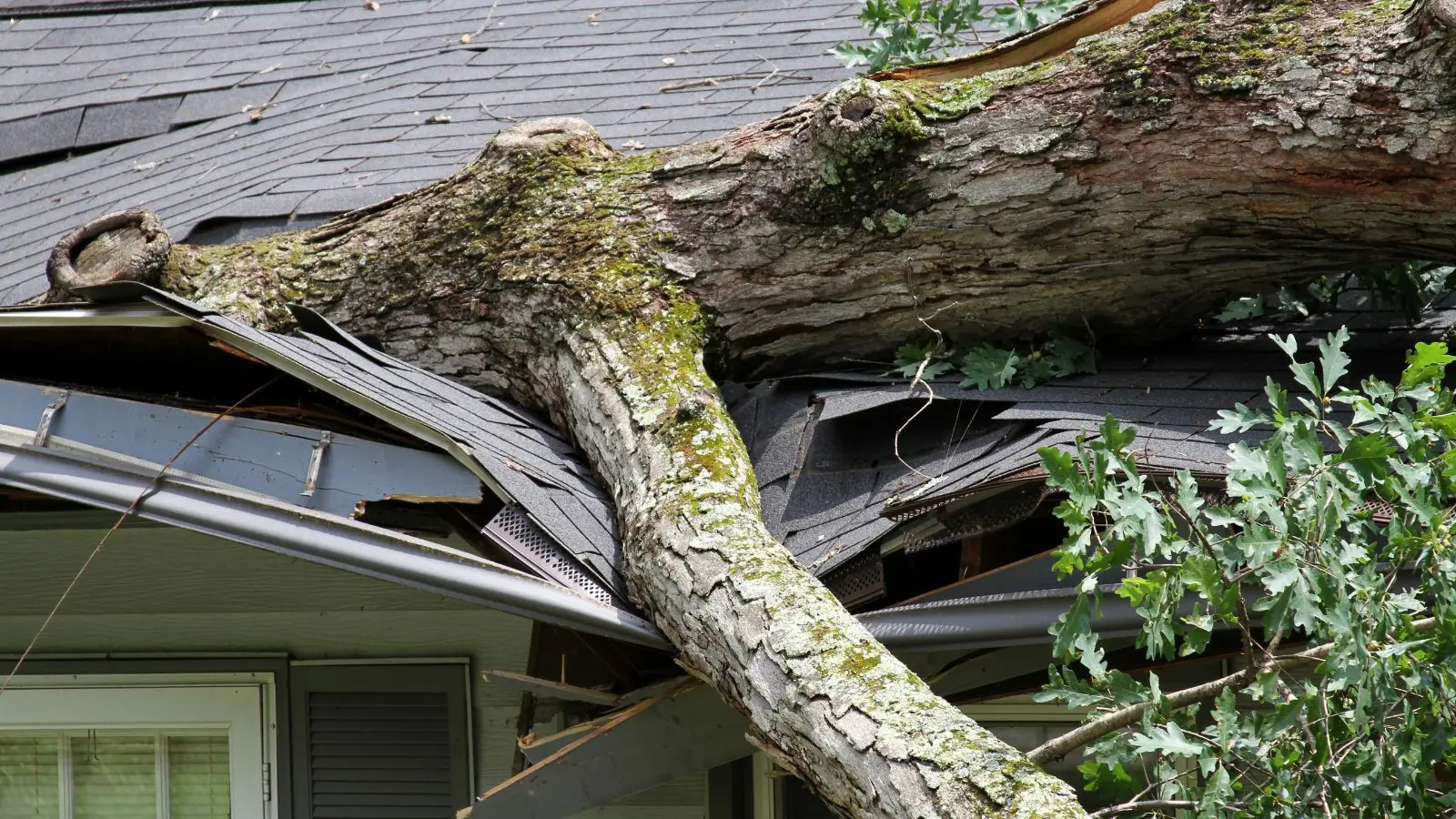
Standing water from a storm: do these things first
Storm water damage is the wet damage rain leaves inside a structure, from roof leaks and window intrusion to water that runs in under a door. If water is in your home or building, call the 24/7 emergency line at (562) 271-5850, then use the steps below while you wait. When a crew is available it goes out the same day, and timing is not guaranteed on the call.
Stop the source if you can reach it safely, lift valuables and electronics off the floor, and keep children and pets out of any water that looks dirty. Shut power to wet rooms only if the panel is dry and reachable. Never wade through water that may be moving or contaminated.
How storm water reaches Santa Fe Springs buildings
National Weather Service normals for the area show about 14.25 inches of rain a year, with January at 3.29 inches and February at 3.64, and almost nothing from June through August. Rain is concentrated in winter, so roof and gutter checks belong in autumn, before the first big storm.
The practical result is that storm losses cluster in the cool months. After a heavy rain, check ceilings, window frames, door thresholds and attic spaces for dampness within a day, because early drying is easier and less expensive than late repair.
Water still spreading? The dispatch line is open 24 hours a day.
☎ Call (562) 271-5850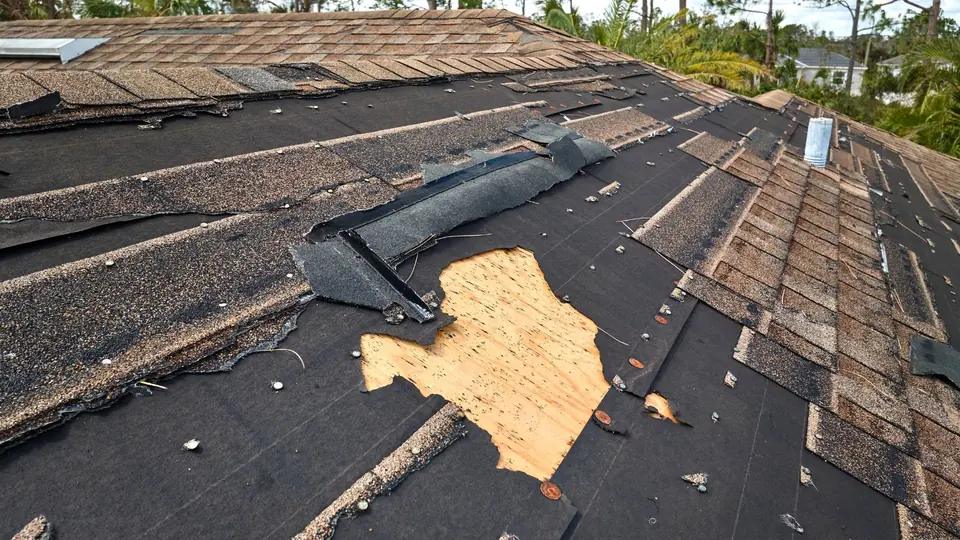
What storm water damage looks like
Storm intrusion shows up in a few predictable ways. Each sign points to a different path for the water.
Stains on ceilings and upper walls
A roof leak or flashing failure. Wet insulation above the ceiling is likely.
Damp edges at doors and sliders
Water is crossing the threshold or running along the slab toward the room.
Wet carpet near exterior walls
Water is wicking from the base of the wall, and the pad is probably soaked.
Bubbled paint or soft drywall
Water is inside the wall cavity and the drywall is losing strength.
Safety in a storm: electrical, floodwater and who to call
Ready.gov warns that floodwater can be contaminated and hold dangerous debris, and it advises against wading in it or walking through flood waters. It also advises turning off the electricity if it is safe to do so. Storm water that has crossed a yard or street may carry sewage or chemicals.
If water touches outlets, a panel or a light fixture, or you smell gas, leave the room and call the utility or 911 first. Call the restoration line once you are safe. Sagging ceilings can drop water and debris, so stay out from under them.
What the city's draft Safety Element says about flooding
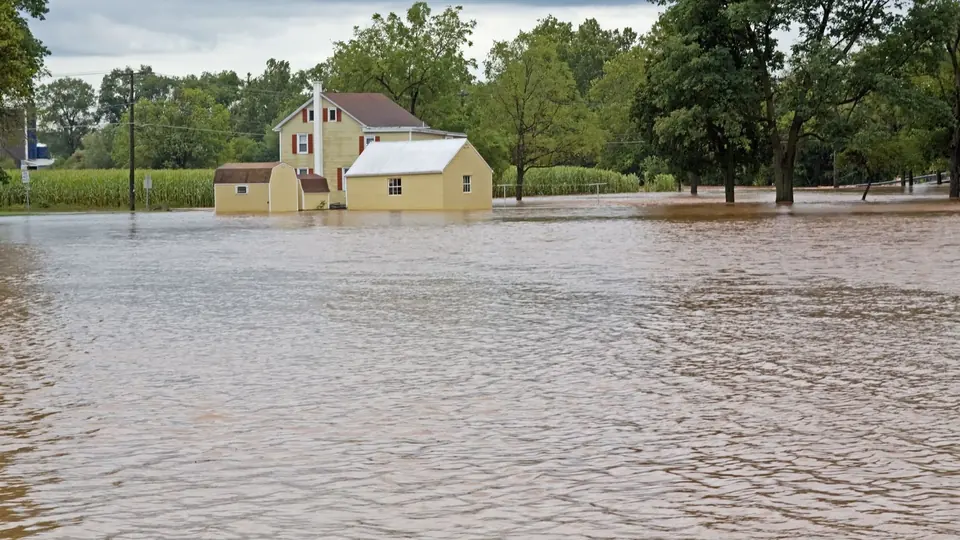
The city's draft General Plan 2040 Safety Element states that no 100-year flood zones exist within the city and that pockets of flooding can occur during very unusual storm events. It also notes that the Whittier Narrows Dam is about five miles northwest of the city, with dam-failure inundation mostly affecting areas west of Norwalk Boulevard.
What that means for you: most storm losses here are roof and drainage problems, not river flooding. To see how your own address is mapped, check the FEMA flood map for your address, and do not rely on a neighbor's experience.
How storm cleanup is done
Cleanup starts with removing water and ends with a dry, documented structure.
- 1Trace the path of the water. Moisture meters and thermal imaging cameras show where rain traveled, including above the ceiling and inside walls.
- 2Extract standing water. Pumps, extraction units and wet vacuums remove water from floors, carpet and entry areas.
- 3Remove wet materials. Soaked pad, insulation and swollen drywall are cut out, and contaminated materials are bagged.
- 4Dry the structure. Air movers and LGR dehumidifiers run until readings match dry reference materials, following ANSI/IICRC S500 as the published standard.
- 5Clean and protect. HEPA air scrubbers and containment barriers keep dust and debris out of dry rooms.
The roofer fixes the roof, and we dry and restore the inside. If water is already soaking the floor, see emergency water removal.
Sandbags and prep before the next storm
Los Angeles County Ready guidance says to fill sandbags only half full, fold the top, and stack no more than two layers, up to roughly two feet. Sandbags slow water and divert it, but they are not watertight, so do not expect them to seal a door.
The county also suggests clearing gutters and drains and keeping plastic sheeting ready before storms. Put sandbags where water enters, such as garage doors and low entries, and keep valuables elevated in case the barrier fails.
Storm damage and your insurance
The California Department of Insurance defines flood as partial or complete inundation of two or more acres of normally dry land or of two or more properties. Standard homeowners policies typically exclude flood, and NFIP coverage is sold separately and usually must be in force 30 days before a flood.
Rain coming through a damaged roof is treated differently from surface flooding. Check your policy or ask your insurer which one applies, and photograph the damage before drying starts.
Where water goes and what we do
Storm water takes different paths, and each one needs a different response.
| Where the water enters | What it affects | What we do |
|---|---|---|
| Roof or flashing | Ceiling, insulation, upper walls | Remove wet insulation, dry the cavity, and coordinate with your roofer |
| Door or slider threshold | Flooring and baseboard | Extract water, lift carpet or pad, dry the subfloor |
| Window frames | Walls and sills | Dry the wall cavity and check for hidden moisture |
| Surface flooding | Floors and lower walls | Treat as possible Category 3 water and use containment |
A roofer or contractor handles the repair outside, and our work is the water inside the structure.
What affects storm cleanup cost
Cost follows the loss, and these factors set it.
- ✓Water category, since water that crossed a yard may be contaminated
- ✓Affected area, including the rooms and wall cavities that are wet
- ✓Materials such as carpet, drywall, hardwood and insulation
- ✓Drying days and equipment needed to bring readings to dry
- ✓Rebuild scope after drying, including drywall, paint and flooring
Want your real number? Call and describe the loss, and the scope and price are explained before work starts.
Mistakes after a storm
Avoid these common errors.
- ✓Waiting for the weather to clear before calling, while insulation stays wet
- ✓Walking through standing water near outlets or appliances
- ✓Patching the roof without drying the ceiling below
- ✓Running fans over water that may be sewage
- ✓Throwing away damaged items before taking photos
Local help in Santa Fe Springs and nearby towns
Santa Fe Springs Water Damage Pros is licensed and insured, and the scope and price are explained before work starts. We serve Santa Fe Springs and nearby towns, including Pico Rivera, Downey, Whittier, Norwalk and La Mirada. Many storm calls come with a wet carpet, and the Pico Rivera service area page lists nearby coverage.
If the water was deeper than a leak, flood damage restoration covers what changes.
Frequently asked questions
Yes. The dispatch line does not close, so late-night and holiday calls are answered too. Crews are dispatched the same day when available, and no arrival time is promised. Call once you are safe and describe where the water is entering.
Yes, the line is answered around the clock and crews respond the same day when available. The dispatcher explains what to do while you wait, and the scope and price are explained before work starts.
It depends on how the water got in. Standard homeowners policies typically exclude flood, but rain entering through a damaged roof may be treated differently. Check your policy or ask your insurer, since we do not promise approval or a payout.
The city's draft Safety Element says no 100-year flood zones exist within the city and notes pockets of flooding in very unusual storms. Check the FEMA flood map for your address, because we do not state a zone for any property.
They slow and divert water but are not watertight. County guidance says to fill them half full, fold the top and stack no more than two layers. Use them with raised valuables and a plan to call if water gets in.
No. A roofer fixes the roof, and we dry and restore the inside. Call a roofer as soon as it is safe, and call us for the wet insulation, ceiling and flooring.