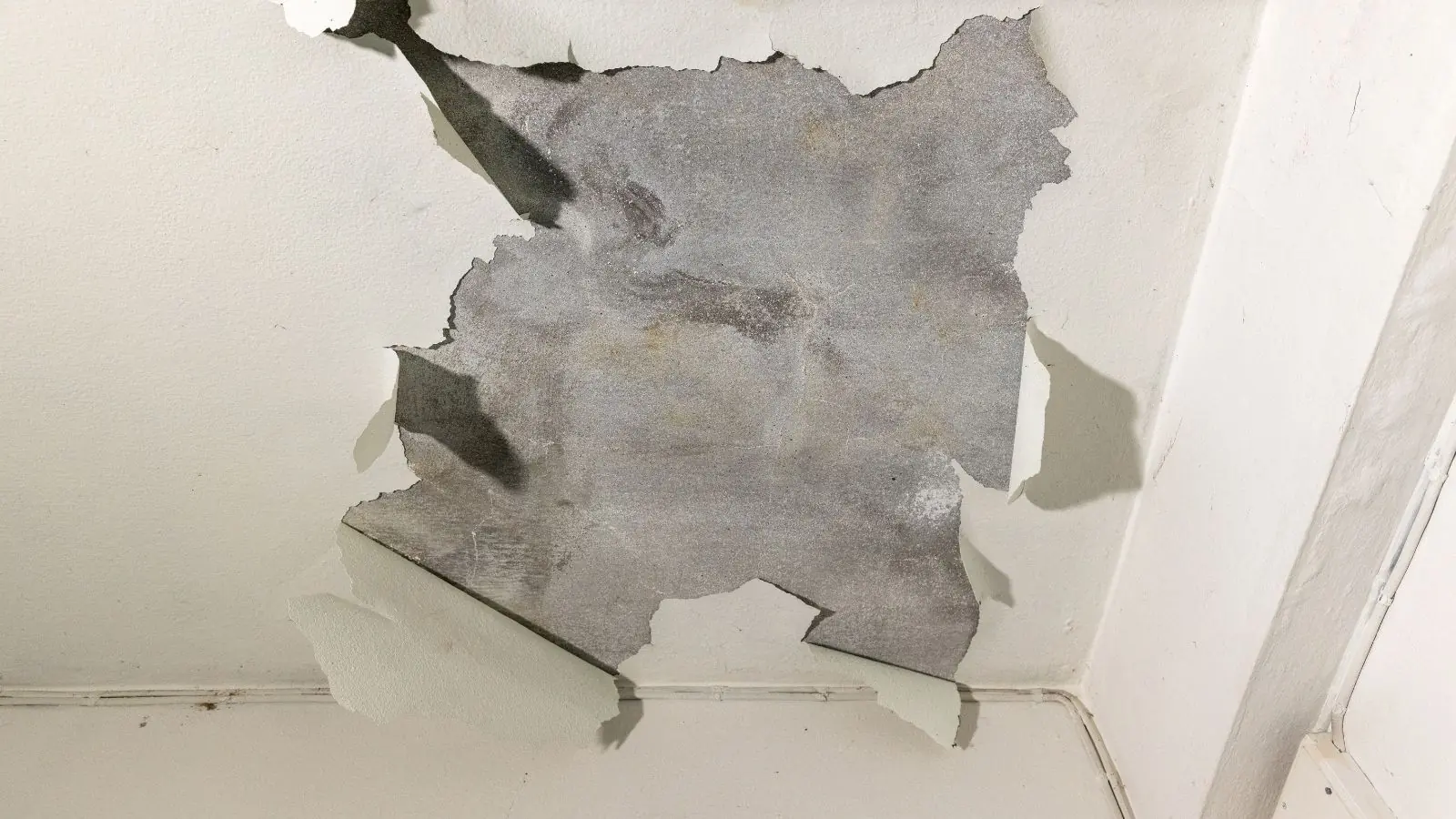
Wet drywall repair: what it covers
Wet drywall repair is the process of testing water-soaked gypsum board, drying what can be saved, removing what cannot and preparing the wall for patching. Drywall is gypsum core wrapped in paper, and both layers soak water readily. Call the 24/7 line at (562) 271-5850 if a wall is actively wet, and we dispatch the same day when crews are available.
Our work covers the water side: assessment, drying and cut-out. Taping, texturing and paint belong to the rebuild phase, which can be done by us or your own painter once readings are dry.
Safety first: wet walls and wiring
A wet wall can hide outlets, switches and wiring, so electrical safety comes before anything else. Treat any wall with water running through it as live until proven otherwise.
- ✓Shut off the water source, or the main valve if the source is unknown.
- ✓Turn off breakers to the wet area only if the panel is dry and reachable.
- ✓If water drips from a light fixture or ceiling, stay out and call the utility or 911 before the restoration line.
- ✓Do not poke a bulging ceiling with a tool. It may be holding a large amount of water.
- ✓Photograph the damage before anything is moved.
Water still spreading? The dispatch line is open 24 hours a day.
☎ Call (562) 271-5850How drywall gets wet in Santa Fe Springs homes
Water reaches drywall from above, below and inside the wall. A roof leak stains the ceiling first, a supply line break soaks the lower wall, and a slow drain leak can wet a cavity for weeks while the surface looks fine.
The draft Safety Element of the city's General Plan 2040 describes local soils as sand, loam and clay, and puts the water table more than 50 feet down. In practice, that means wet drywall here usually comes from plumbing, roofs and appliances rather than groundwater. Finding the real source is the first repair step.
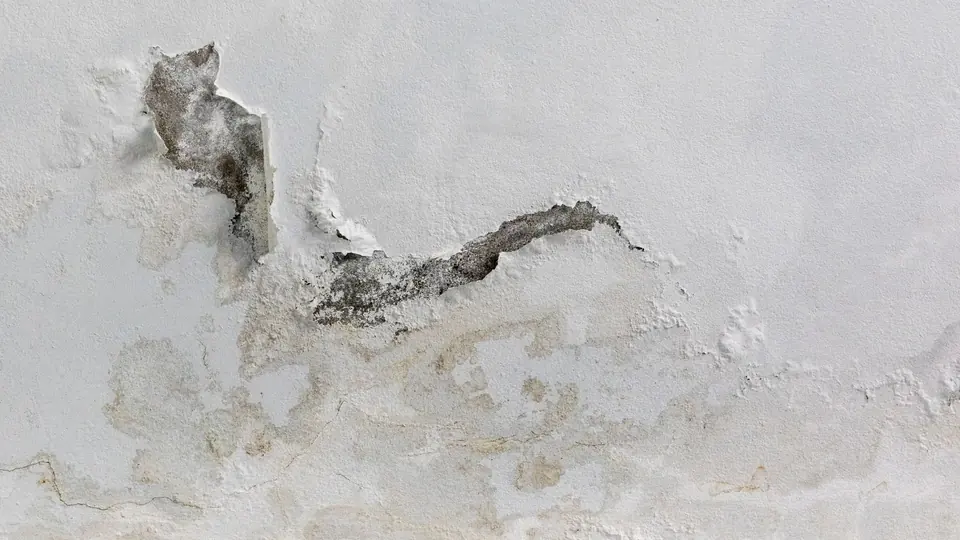
What wet drywall looks like and what each sign means
Drywall tells you how long it has been wet. Look for these changes.
Bubbling or peeling paint
Moisture is pushing off the paint and paper face, often a sign water is behind the wall.
Soft, crumbly texture
The gypsum core has lost strength, and that section usually has to be removed.
Sagging ceiling
Water is pooling above the board. Keep clear and call for help before it collapses.
Brown or yellow stains
A ring that grows larger means the source is still active or the cavity is still wet.
Dry in place or cut out: how the decision is made
The U.S. EPA's water damage guidance says drywall may be dried in place if there is no obvious swelling and the seams are intact. If not, it should be removed, discarded and replaced. That is the rule we follow, and a moisture meter backs up what the eyes see.
A thermal imaging camera helps map the wet area, and small inspection holes confirm what is in the cavity. If insulation behind the board is soaked, it is usually removed too. The standard that defines drying goals is ANSI/IICRC S500, which any reputable company can discuss with you.
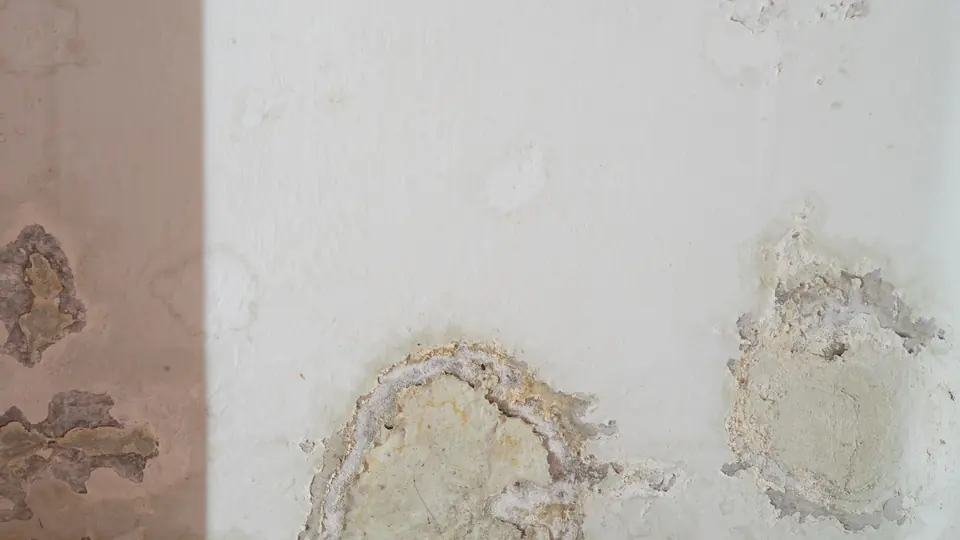
What we do to dry and prep a wet wall
For a wall that qualifies, air movers push dry air across the surface, and LGR dehumidifiers remove moisture from the room. Where the cavity needs airflow, we may drill small holes along the baseboard or remove baseboard so air can enter behind the board.
When removal is needed, we cut the board in a clean line above the wet mark, often about 12 to 24 inches above the visible edge, so patching is simple. We run containment barriers and HEPA air scrubbers when dust or suspect material is involved. Readings are logged until the framing and neighboring board match dry reference materials.
Dry, patch or replace: a decision table
Not every wet wall needs a sledgehammer. Here is how the choices compare.
| Wall condition | Likely path | Trade-off |
|---|---|---|
| Damp, seams intact, no swelling | Dry in place with air movers | Cheapest and fastest, needs close monitoring |
| Swollen or soft at the bottom | Cut out the lower section | More patching, but dry material behind |
| Wet ceiling with sagging | Remove the affected board | Safer and prevents collapse |
| Wet insulation behind board | Remove board and insulation | Larger opening, needed for proper drying |
| Sewage or contaminated water | Remove and discard porous materials | Category 3 water, professional handling needed |
The wall decides, not a rule of thumb. Readings and a visual check go together.
Drywall repair and your insurance policy
Sudden and accidental water damage, such as a pipe break or a storm-driven roof leak, is often covered. Gradual leaks and neglected maintenance often are not. Ask your insurer how your loss would be treated, and read your policy.
Roof leaks add a wrinkle, because the roof repair and the interior repair may be handled differently. Our roof leak water damage page explains how we handle the inside while a roofer handles the roof. Photos, moisture readings and written scope all help your insurer see what happened.
What affects the cost of wet drywall repair
Drywall jobs scale from a single patch to a whole room. These factors set the scope.
- ✓Number of walls or ceiling sections that are wet
- ✓Whether the board can be dried or must be cut out
- ✓Insulation, baseboard and trim that must come off
- ✓Drying equipment and the number of days it runs
- ✓Rebuild work such as taping, texture, primer and paint
Want your real number? Call and describe the loss, and the scope and price are explained before work starts.
Mistakes to avoid with wet drywall
Painting over a stain is the classic error, but it is not the only one.
- 1Painting over the stain. The paint hides moisture and traps it, and the stain usually comes back.
- 2Patching before the source is fixed. A new patch over an active leak just gets wet again.
- 3Leaving soggy board in place for days. Moisture is the key to mold control, so wet board that cannot dry within 24 to 48 hours should come out.
- 4Cutting without checking the cavity. Wires and pipes sit behind the board, so look first.
- 5Skipping the permit check. The city's Building and Safety Division says appropriate permits must be obtained before alteration or repair projects, so ask the division whether your repair needs one.
Drywall help near Santa Fe Springs
We are licensed and insured, and scope and price come first, work second. We serve Santa Fe Springs and nearby towns, including La Mirada, Pico Rivera, Whittier, Norwalk and Downey.
If a wall has stayed wet long enough to worry you, see our mold remediation page. For repairs beyond the wall itself, see water damage repair.
Frequently asked questions
The emergency line is answered 24/7, and crews are dispatched the same day when available. No arrival time is promised. If a ceiling is sagging, stay clear and call right away.
Sometimes, if the water was clean, the board is not swollen and the seams are intact. Without air movers and a dehumidifier, a wall cavity rarely dries fast enough, so a moisture reading is the safer test.
Swelling, softness, crumbling or open seams mean the board has lost strength and should be replaced. Brown staining that keeps growing means the cavity is still wet. A moisture meter and a look behind the wall settle it.
Our scope focuses on the water side. Taping, texture and paint come after readings confirm the wall is dry, and that work can be handled by us or by your own painter.
It depends on the scope. The Santa Fe Springs Building and Safety Division says appropriate permits must be obtained before repair and alteration projects, but its page does not list drywall. Ask the division directly before you start.
A ceiling stain usually means water came from above, such as a roof leak or an upstairs fixture. Find that source first. Then the board is tested and, if soft or sagging, removed so the ceiling can dry and be patched.