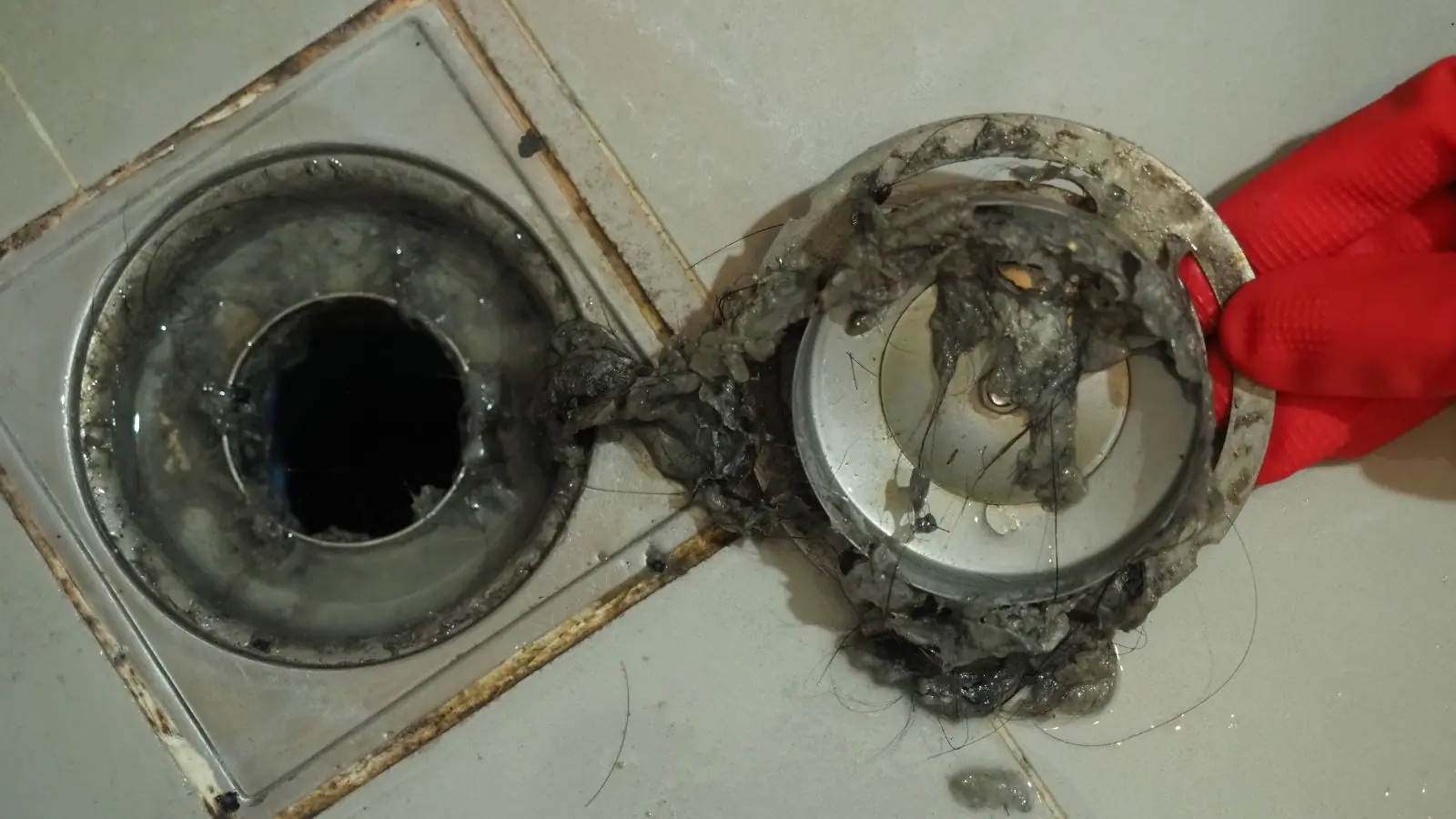
Sewage emergency: what to do while you wait
Sewage backup cleanup means removing contaminated water and the materials it touched, then sanitizing and drying the space. If sewage is coming up a drain, tub or toilet, call the 24/7 emergency line at (562) 271-5850. Availability decides same-day dispatch, so you will not be given a promised arrival time.
Stop using sinks, toilets, showers and the washer, since every flush and drain sends more water into the problem. Keep people and pets out of the room. Do not wade in it, wipe it up with towels or run fans, and do not touch wet items with bare hands.
What sewage water is and why it is different
ANSI/IICRC S500, the published industry standard for water damage restoration, ranks water into three categories. Sewage backup is Category 3, meaning grossly contaminated. Anything porous it touches, such as carpet, pad, drywall and insulation, usually has to be removed instead of dried.
Clean supply-line water can turn into this category if it sits long enough, but sewage starts there. That is why a backup is not handled like a washer overflow. The scope is larger, the protective gear is heavier and containment keeps the mess from spreading to clean rooms.
Water still spreading? The dispatch line is open 24 hours a day.
☎ Call (562) 271-5850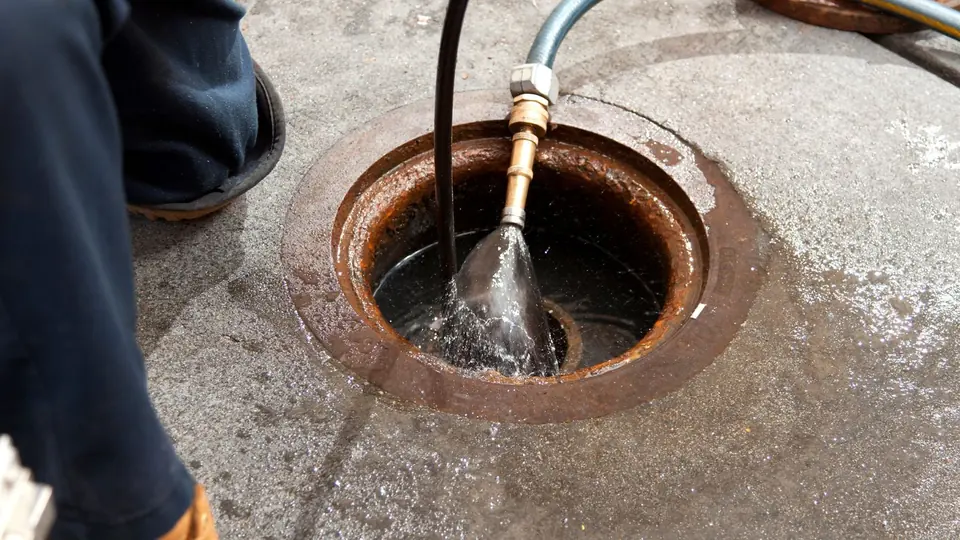
Signs of a sewage backup
A backup can start slowly, and early signs are easy to mistake for a slow drain.
- ✓Water rising in a floor drain or tub. Especially when a toilet is flushed or the washer drains.
- ✓Gurgling from fixtures. Air pushed back through traps often comes before water.
- ✓Several fixtures draining slowly at once. One slow sink is local, but a whole bathroom is a line problem.
- ✓A sewer smell near drains. Gas or odor from a drain means the trap is breached or the line is blocked.
- ✓Dark water stains on flooring or baseboard. These show where the water spread when no one was watching.
If water is backing up, call a plumber about the line itself. Restoration cannot clear a blocked sewer.
Health and electrical safety first
The EPA says that if water damage was caused by sewage or other contaminated water, call in a professional. Its water damage guidance also states not to use fans before determining that the water is clean or sanitary, because air movement can spread contamination through the home. Leave the equipment to the crew.
If water is near outlets, appliances or the electrical panel, stay out and call the utility or 911 before you call the restoration line. Cut power to wet rooms only if the panel can be reached without stepping in water. Questions about illness or exposure belong to a physician.
Whose pipe is it? Lateral, local sewer and public agency
The Los Angeles County Sanitation Districts brochure states that the owner of the home or business is responsible for maintaining the drainage plumbing and the sewer lateral, the pipe that runs from the building to the main. It also says the city or another public agency maintains the local sewers. The brochure does not say which agency serves a particular street in Santa Fe Springs, so that answer comes from the city or your bill.
If sewage is overflowing in the street or a manhole, report it to the public sewer agency. The Sanitation Districts publish an overflow reporting line at lacsd.org/overflow. A plumber with a camera can show whether the blockage is in your lateral or past your property line, and that decides who pays for the repair.
How sewage cleanup is done
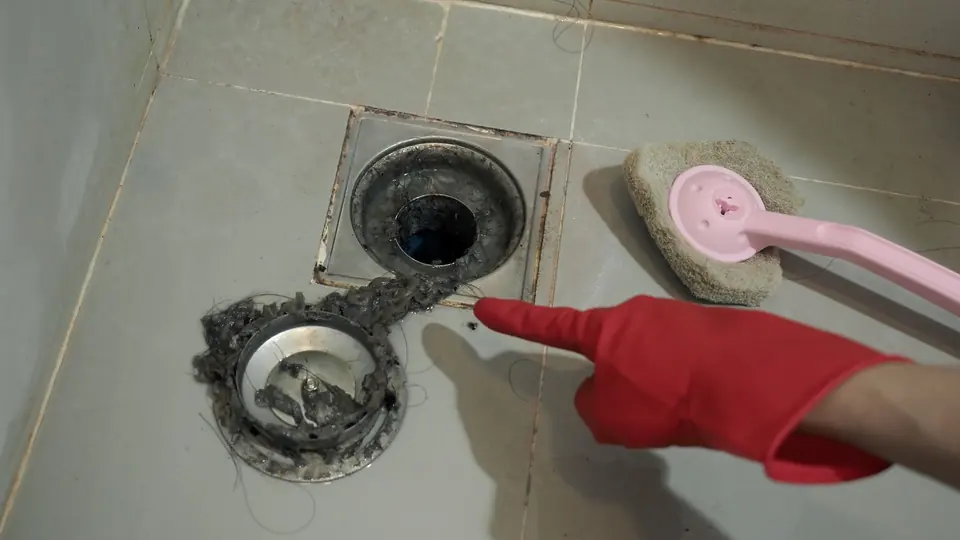
Crews set up containment barriers and use HEPA air scrubbers to keep dust and odor away from clean areas. Extraction units and wet vacuums remove the water, and everything that cannot be cleaned and dried, such as carpet, pad, insulation and soaked drywall, is bagged and hauled away. Moisture meters and thermal imaging cameras confirm how far the water traveled.
Hard surfaces and framing are cleaned and treated with sanitizer. Air movers and LGR dehumidifiers are set after the clean-up, not before, and only when the area is known to be sanitary. The overall process fits with water damage cleanup, and standing water is the work described on our emergency water removal page.
What gets saved and what gets thrown away
The material decides the outcome. Sewage that has soaked in cannot be rinsed out of porous items.
| Material | Usual outcome | Reason |
|---|---|---|
| Carpet and pad | Removed | Porous and holds contamination |
| Drywall and insulation | Cut out and replaced | Absorbs water and cannot be sanitized |
| Tile and sealed concrete | Cleaned and sanitized | Hard, non-porous surfaces can be treated |
| Solid wood framing | Cleaned and dried | Dense enough to treat after surface cleaning |
| Upholstery and stuffed items | Usually discarded | Cannot be cleaned and dried reliably |
The EPA advises throwing away items that were wet with contaminated water and cannot be cleaned and dried within 24 to 48 hours.
Backups that involve a business or industrial drain
The city's Environmental Protection Division oversees industrial waste discharge to the sanitary sewer. If a backup comes from a commercial property, tell the crew what the business stores or discharges, and let the city division know if you are unsure of the rules. We do not handle chemical spills.
The city also runs a Catch Basin Insert Project that improves stormwater drainage and reduces clogs. That is a storm drain program, a different system from the sanitary sewer, so a clogged street inlet and a backed-up house drain are separate problems.
Insurance and sewage backups
Many standard homeowners policies exclude sewer or drain backup unless an endorsement was added. Check your policy and ask your insurer before work starts. Flood damage is a separate category, and the California Department of Insurance says standard homeowners insurance does not cover flood damage.
Take photos before anything is removed and keep the plumber's camera report.
What affects sewage cleanup cost
Sewage work is scoped by what the water reached, and these factors move the number.
- ✓How far the contaminated water spread and how many rooms
- ✓How much porous material must be removed and replaced
- ✓Containment, protective gear and disposal needs
- ✓Drying days and equipment after sanitizing
- ✓Rebuild scope for flooring, drywall and trim
Want your real number? Call and describe the loss, and the scope and price are explained before work starts.
Mistakes to avoid with a sewage backup
A few instincts do real harm here.
- ✓Flushing or running water to see if the line clears
- ✓Mopping it up bare-handed or with a household fan running
- ✓Keeping carpet because it looks fine after the water recedes
- ✓Pouring bleach or chemicals into a backed-up drain
- ✓Skipping the plumber's camera inspection
Local, licensed and insured
We are licensed and insured, and scope and price are explained before work starts. We serve Santa Fe Springs and nearby towns, including Pico Rivera, Whittier, Norwalk, Downey and La Mirada.
If the whole street is under water instead of one drain, see flood damage restoration.
Frequently asked questions
Yes. The emergency line is answered 24/7, including nights and weekends. Crews are dispatched the same day when available and no arrival time is promised, so stay out of the water and stop using fixtures until help is on the way.
The line is answered around the clock and crews are sent the same day when available. We remove the contaminated water and materials and sanitize the space. A plumber clears the blocked line.
The EPA says to call a professional if the damage was caused by sewage. Protective gear and containment are needed, and fans should not be used before the water is known to be clean.
According to the Los Angeles County Sanitation Districts, the owner maintains the drainage plumbing and the lateral. The city or another public agency maintains local sewers, so a camera inspection shows which side the blockage is on.
In most cases no. Carpet and pad hold contamination and are removed. Hard surfaces can usually be cleaned and sanitized.
No. Clearing drains and repairing sewer lines is plumbing work. We handle cleanup, sanitizing and drying once the line is flowing again.